The Historical Echo: Lessons From the 1930s
The 1930s keep coming up in political conversations these days, and I get why. Nationalist movements are winning elections and changing governments around the world, speaking directly to people who feel economically squeezed and socially displaced. I’m hesitant to make direct comparisons between now and the interwar period, but the similarities are hard to ignore. The conditions that allowed authoritarian movements to take hold nearly a century ago? They’re showing up again.

The most obvious connection is how economic anxiety mixes with social breakdown. The Great Depression created perfect conditions for radical politics in the 1930s. Today we have flat wages, disappearing jobs, and growing inequality creating similar popular anger. But there’s a key difference: our world is far more connected, and social media can turn political anger into movements at lightning speed.
What really strikes me about this current wave is how widespread and organized it is. Far-right parties now help run governments in eight EU countries. Eight. That level of mainstream acceptance would have been impossible just twenty years ago. We’re not just talking about electoral wins anymore, we’re talking about a complete shift in what kinds of politics are considered normal.
The Twin Engines of Modern Nationalism
Modern nationalist movements run on two main fuels: people losing economic ground and anxiety about immigration and cultural change. These work together to create a story that takes complicated social problems and points to clear villains. The brilliance of nationalist messaging is how it connects real economic pain with cultural fears, building a complete worldview that explains what’s wrong and promises to fix it.
The economic piece is where it starts. Factory workers watching their plants close down. Small business owners competing with Amazon. Young people graduating into gig economies their parents don’t recognize. These aren’t made-up problems. When mainstream politicians offer complex explanations about global trade and technological change, nationalist movements offer something simpler: other countries and immigrants are taking what should be yours.
Immigration becomes the perfect symbol for everything that feels out of control. It’s not just about jobs or public services, though those matter. Immigration represents cultural change, shifting demographics, languages you don’t recognize in your neighborhood. Nationalist movements are masters at taking these complex feelings and turning them into simple stories about us versus them. It works because it taps into basic human psychology about group belonging and security.
The ECFR European politics analysis shows how this pattern repeats across completely different countries while hitting the same emotional notes. Brexit, Germany’s AfD, Hindu nationalism in India, Bolsonaro’s Brazil. The details change, but the basic formula stays the same: economic grievance plus cultural anxiety equals nationalist mobilization.
Digital Pathways to Radicalization
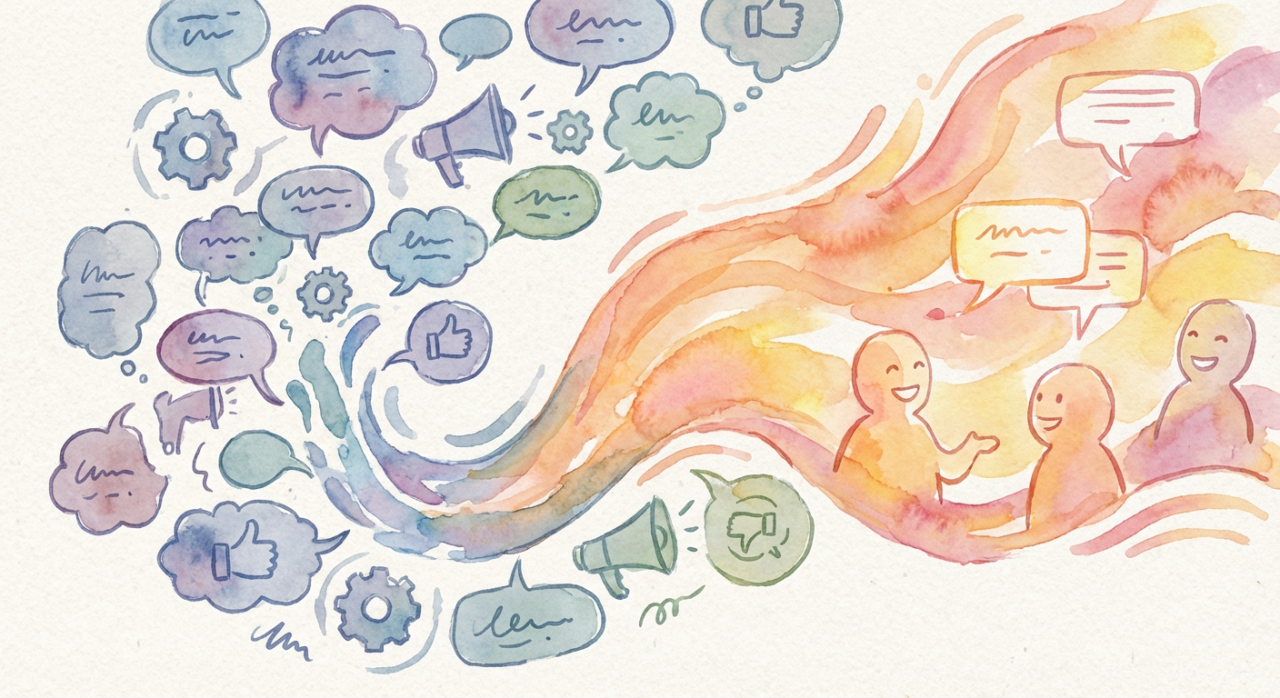
The internet has completely changed how people get radicalized politically. What researchers call “online radicalization pipelines” might be the biggest innovation in political organizing since television. These digital pathways create sophisticated systems for moving regular people from mainstream political content toward increasingly extreme positions, one click at a time.
It usually starts innocently enough. Maybe you watch a video questioning immigration policy or expressing frustration with the economy. Social media algorithms notice you engaged with that content and serve up more. The algorithms don’t care about political balance, they care about keeping you clicking. So they naturally promote more provocative, more emotional content because that’s what gets reactions.
Platform design speeds up the mainstreaming of extreme ideas in ways that would have been impossible before. When your feed is full of extreme content, radical positions start looking normal. When algorithms reward controversy over nuance, moderate voices can’t compete for attention. When you end up in ideological echo chambers, the most extreme voices in your group become the most influential voices in your political world.
This explains how conspiracy theories and fringe political ideas can suddenly appear everywhere. Ideas that used to stay trapped in small, weird corners of society can now reach millions through viral sharing and algorithmic promotion. The line between fringe and mainstream gets blurrier every day.
The Anti-Establishment Convergence
One thing that really stands out about current politics is how “anti-establishment” messaging works for both left and right movements. This suggests we’re dealing with something bigger than traditional ideological differences. We’re looking at a broad crisis where people have lost faith in institutions across the board.
Anti-establishment messages work because the establishments actually have failed in measurable ways. Decades of economic policies that prioritized markets over workers. Political systems that feel more responsive to donors than voters. Social institutions that seem out of touch with how most people actually live. When voters across the political spectrum share these experiences, they become open to anyone promising to shake things up.
Nationalist movements have gotten particularly good at exploiting this institutional breakdown. They offer cultural explanations for why institutions failed and comprehensive programs for national renewal. Their success isn’t just about their specific messages, it’s about the absence of compelling alternatives from traditional political parties that still seem stuck in older ways of thinking.
The damage goes beyond electoral politics. Organizations that focus on human rights, democratic oversight, and social services face funding cuts and legal restrictions across multiple countries. This systematic weakening of civil society removes important alternative voices and concentrates political discourse around state power and nationalist messaging. When the space between citizens and government gets hollowed out, nationalist movements have more room to operate.
Beyond Simple Analogies
Historical parallels help us understand what’s happening now, but we can’t get trapped by them. Today’s global economy, international institutions, and technological infrastructure create different constraints and opportunities than existed in the 1930s. Democratic institutions, for all their current problems, have sources of resilience that many interwar societies lacked.
The real challenge isn’t preventing an exact repeat of history, it’s addressing the underlying conditions that make nationalist appeals attractive to so many people right now. This means dealing with both the material reality of economic inequality and displacement, and the institutional reforms needed to make democratic governance feel responsive and legitimate again.
I think we need to understand current nationalism as both historically rooted and distinctly modern. The rise of these movements reflects real failures in economic and political systems that can’t be fixed by appeals to democratic values or historical memory alone. It requires honest engagement with the structural changes that created our current conditions of insecurity and institutional distrust.
As detailed analysis from Vox policy explainers shows, responding to nationalist mobilization requires both immediate attention to electoral dynamics and longer-term institutional reforms that address the root causes of popular discontent. The historical parallel reminds us that democratic societies ignored similar warning signs before at their own peril. But the contemporary context demands solutions adapted to current realities, not just past precedents.
Where global nationalism goes from here will depend on whether democratic institutions can adapt quickly enough to address the legitimate grievances fueling these movements while maintaining their commitment to pluralistic governance and human rights. Finding that balance might be the defining political challenge of our time. It’s going to require both historical wisdom and contemporary innovation to navigate successfully.