The Sleight of Hand in Federal Budgeting
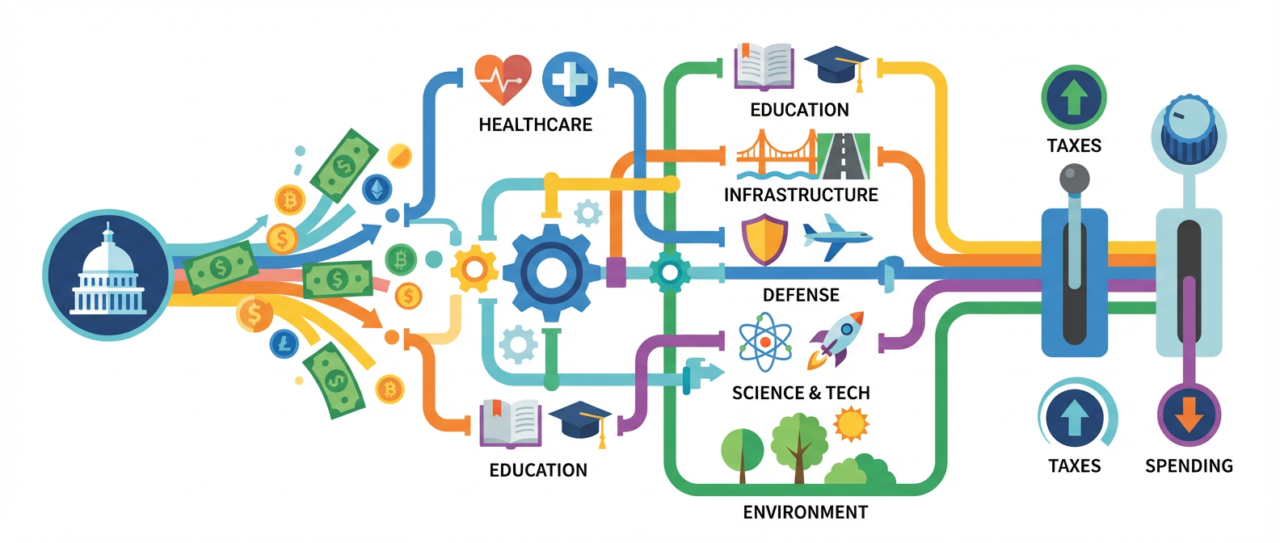
When politicians promise to “cut spending” or “reduce the deficit,” they’re playing a shell game that most voters never catch. The federal budget works on what economists call “baseline budgeting” — each year’s spending automatically goes up based on projected inflation, population growth, and programmed benefit expansions. So when politicians talk about “spending cuts,” they usually mean slowing down the rate of increase, not actually spending less money. A program set to grow by eight percent that instead grows by five percent becomes, in Washington’s weird math, a three percent cut.
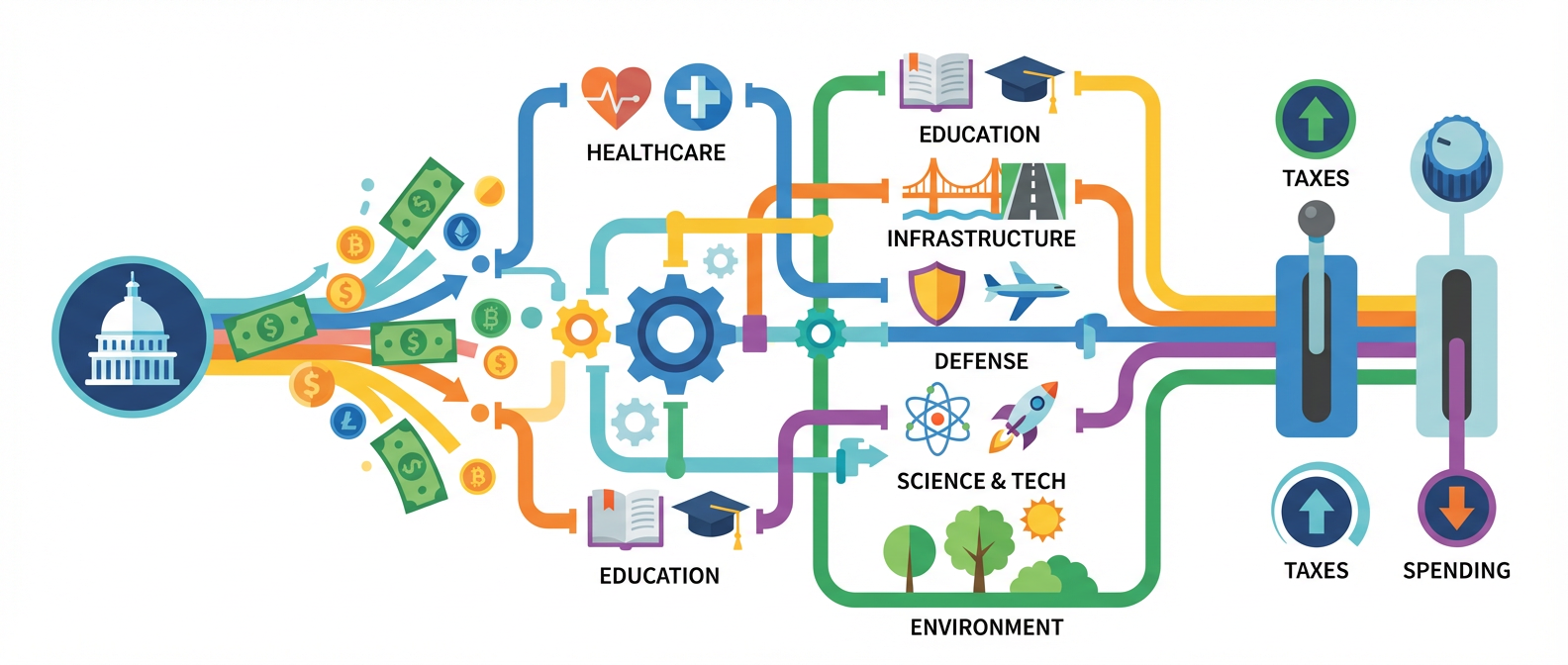
This baseline system creates a huge gap between what people expect from “fiscal discipline” and what actually happens in government. Most citizens think spending reductions mean less money goes out the door than last year. Politicians, working within the technical rules of budget scoring, celebrate “historic cuts” that any family budget would recognize as continued increases. The Congressional Budget Office’s ten-year baseline projections, which assume current law stays the same, become the yardstick for measuring all budget proposals.
It gets more complicated when you realize that about two-thirds of federal spending is mandatory programs like Social Security, Medicare, and Medicaid. These programs grow automatically as more people qualify and benefit levels adjust for inflation. Congress doesn’t vote on this spending each year. Discretionary spending, the part Congress actually controls annually, is only about one-third of the budget. That includes both defense and non-defense programs fighting over limited dollars.

The Structural Constraints on Fiscal Policy
Want to understand why real budget cuts are so rare? Look at the incentives facing members of Congress. They get rewarded for bringing visible benefits to their districts while the costs get spread out and hidden. A representative can champion a new veterans’ hospital back home while the bill gets paid through general revenue or borrowing that feels abstract to voters. Benefits are immediate and obvious. Costs are delayed and invisible.
The budget process itself is a mess. Authorization committees set up programs, appropriations committees decide annual funding, and tax committees handle revenue, often without talking to each other much. The House and Senate work under different rules and timelines. We’re supposed to have regular budget procedures, but instead we get continuing resolutions and massive omnibus bills that cram thousands of decisions into must-pass legislation nobody has time to read properly.
Then there’s the government’s role as economic shock absorber. When recessions hit, unemployment insurance and food stamps automatically expand while tax receipts fall, widening deficits exactly when government borrowing makes the most economic sense. Trying to balance budgets during downturns can make recessions worse, as Europe learned the hard way after 2010. This creates tension between simple balanced-budget thinking and sound economic policy.
Why Traditional Deficit Hawks Miss the Mark
The usual deficit reduction talk focuses on debt-to-GDP ratios and annual deficits while ignoring what the government actually spends money on. This treats all government spending as equally wasteful, missing the difference between consumption and investment. Infrastructure, basic research, and education can generate long-term returns that justify borrowing today. Transfer payments and tax breaks for wealthy people probably don’t. What the government spends on matters as much as how much.
Deficit hawks also missed how low interest rates changed everything. When the government can borrow at rates below inflation, which happened often over the past fifteen years, the real cost of debt actually shrinks over time. Look at Japan, which has run persistent deficits with low growth for decades without the fiscal crisis everyone predicted. Or Germany, whose infrastructure crumbled during its balanced-budget phase. The relationship between debt and economic performance is way more complicated than the deficit scolds claim.
Maybe most importantly, deficit reduction usually hurts the wrong people. Spending cuts target programs that help lower-income families, while tax increases that could raise serious money from the wealthy face bigger political obstacles. This creates a trap where deficit reduction takes money away from households that would actually spend it, reducing the economic growth needed to fix long-term budget problems.
A More Sophisticated Approach to Fiscal Policy
Instead of chasing deficit reduction for its own sake, policymakers should think about managing the government’s balance sheet across business cycles. Run bigger deficits during recessions to keep people employed, then build surpluses during good times to cool down the economy and pay down debt. This means giving up the political appeal of balanced-budget slogans for more complex but economically sensible fiscal management.
What the government spends money on matters as much as how much it spends. Investments in infrastructure, scientific research, and education can generate returns that exceed borrowing costs, making them fiscally responsible even when debt-financed. Meanwhile, tax breaks that mostly benefit rich people are hidden spending that gets too little scrutiny. Smart fiscal policy would evaluate all forms of government intervention, including regulations and tax preferences, in one comprehensive framework.
Modern monetary theory, while controversial, points out additional aspects of fiscal policy that traditional analysis misses. The government’s unique ability to issue currency means solvency works differently than for households or businesses. The real limits on government spending are inflation and available resources, not arbitrary debt ratios. This doesn’t mean unlimited spending makes sense, but it suggests fiscal discipline should focus on economic outcomes rather than accounting rules.
Moving Beyond Fiscal Theater
The persistence of baseline budgeting shows something important about American government: our system handles small changes well but struggles with big reforms. The annual budget process, with its manufactured crises and temporary patches, works for incumbent politicians who can claim credit for minor adjustments while avoiding responsibility for long-term trends. Real fiscal reform would require multi-year planning, automatic adjustment mechanisms, and institutional changes that make comprehensive policy evaluation possible.
Breaking out of this pattern means voters need to get smarter about government finance. Just like we expect corporate leaders to create long-term value instead of gaming quarterly earnings, we should pressure elected officials to optimize fiscal policy over business cycles rather than manipulating annual budget numbers. This requires public education about economic complexity and patience with policies whose benefits might not show up for years.
The fake fiscal control created by baseline budgeting undermines democratic accountability by hiding the real choices we face as a society. Citizens deserve honest conversations about the tradeoffs in government spending and the economic logic behind fiscal policy decisions. Only by moving past the theater of deficit politics can we build fiscal institutions worthy of a mature democracy facing real long-term challenges.