Why Universal Coverage Defies Simple Solutions
When politicians promise universal healthcare, they make it sound so straightforward. Everyone gets medical care. Problem solved. But I’ve spent enough time digging into these proposals to know there’s nothing simple about it. Every design choice you make creates ripple effects that touch cost, quality, and who actually gets help. And honestly? Just getting more people insured barely scratches the surface of what needs fixing.
Think about the basic math problem here. You want to cover everyone and keep costs reasonable. But healthcare gets more expensive every year, and there’s no magic wand to change that. Policymakers end up playing this impossible game where they have to balance what people get, what doctors earn, and what taxpayers can stomach. The numbers alone make your head spin. Then you add politics into the mix and things get really messy.
What really gets me is how different countries face completely different challenges. Denmark’s approach might work great for them, but copy-paste it to the United States and you’d probably get a disaster. It’s not because Danes are better people. They just started from a different place, with different expectations, different infrastructure, different everything. Context matters way more than most advocates want to admit.

The Implementation Paradox: Coverage Versus Care
Here’s something that drives me crazy about these debates. People act like having insurance is the same thing as getting good medical care. But there’s a huge gap between those two things. You can give everyone a card that says they’re covered and still have people waiting months for surgery or driving hours to find a doctor.
Look at Canada if you want proof. Canadians love their healthcare system, and coverage is truly universal. But if you need a knee replacement, you might wait over a year. Heart surgery? Could be months. The system decided that equal access matters more than quick access, which is a reasonable choice but definitely not what most Americans think they’re signing up for when they hear “universal healthcare.”
Germany took a different route. They spend a lot more money but keep wait times reasonable. German patients get covered and don’t have to wait forever for care. Sounds perfect, right? Well, somebody has to pay for all that. German workers, employers, and taxpayers shell out significantly more to make this work. Again, it’s a trade-off, not a miracle.
These examples really bug me because they show there’s no perfect system. You can prioritize fairness, speed, or cost control, but you can’t max out all three at once. Physics doesn’t work that way, and neither does healthcare policy. Yet advocates keep promising solutions that somehow avoid these basic constraints.
The Political Economy of Reform
The politics of this stuff are brutal. Healthcare touches so many industries and interests that changing anything big creates armies of opponents. Insurance companies obviously don’t want to be replaced. Hospitals worry about payment changes. Drug companies fear price controls. Even people with good employer insurance get nervous about rocking the boat.
Then there’s the transition problem, which is maybe the hardest part politically. Moving to universal coverage means disrupting the current system. Insurance industry jobs disappear. People have to change doctors. Your current plan might go away. Even if the end result is better, that transition period creates real uncertainty and real opposition.
I see this when Medicare for All gets polled. Ask people if they want universal healthcare and most say yes. Ask them if they want it if it means higher taxes or losing their current insurance, and support drops fast. That’s not because people are stupid or brainwashed. They’re being rational about the uncertainty that big changes create.
Looking at history, major healthcare reforms usually happen during crises when normal politics get suspended temporarily. Britain created the NHS after World War II. Taiwan implemented universal coverage while transitioning to democracy. Maybe that means we need to wait for the right moment rather than trying to push through incremental changes that never add up to much.
Rethinking the Universal Healthcare Debate
The way we argue about this is pretty broken. Supporters treat universal coverage like it’s obviously good for everyone. Critics focus only on problems and costs. Neither side wants to have an honest conversation about the choices involved.
What frustrates me is that there are multiple ways to get to universal coverage, and they produce totally different results. Singapore makes people save money in special accounts for healthcare. Britain runs everything through the government. Switzerland requires people to buy private insurance but helps pay for it if you’re poor. All three cover everyone, but the day-to-day experience is completely different.
Instead of fighting about whether to do universal coverage, we should be talking about which version makes sense for America. That means being honest about what we value most: choice, equality, innovation, cost control. The current debate is so polarized that we never get to these important details.
Plus, coverage is just one piece of a broken system. We could give everyone insurance tomorrow and still have crazy drug prices, administrative waste, and doctors who don’t talk to each other. Fixing healthcare requires working on multiple problems at once, not just the coverage piece that gets all the attention.
Toward Evidence-Based Healthcare Policy
What we really need is to stop treating this like a religious debate and start looking at what actually works. That means admitting universal coverage involves real trade-offs instead of pretending it solves everything. It also means picking approaches based on evidence about what works in similar situations, not just what sounds good in theory.
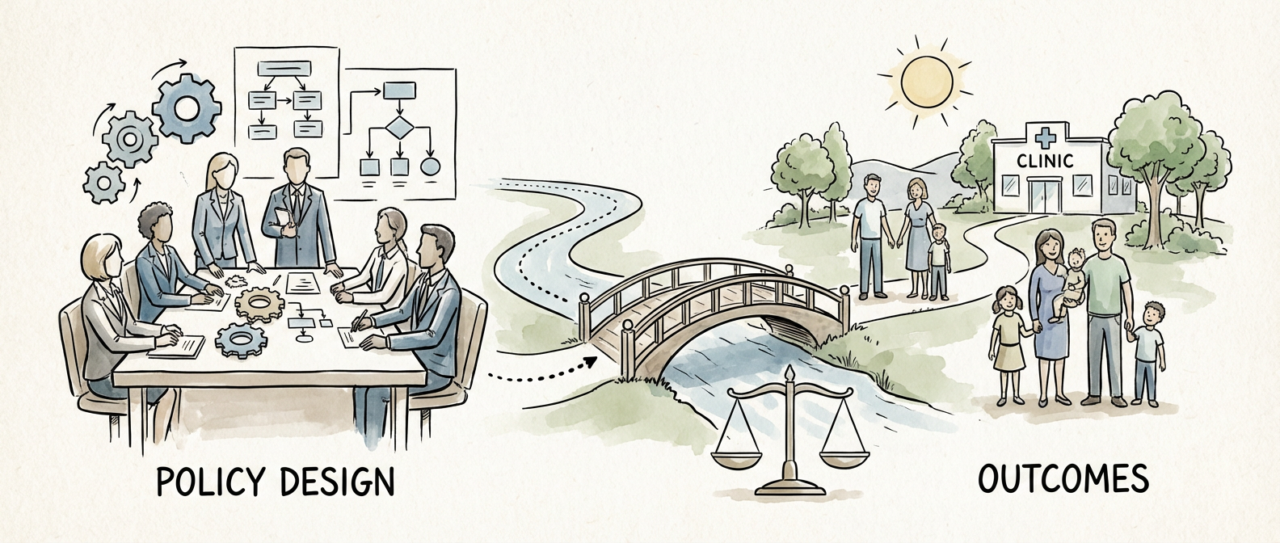
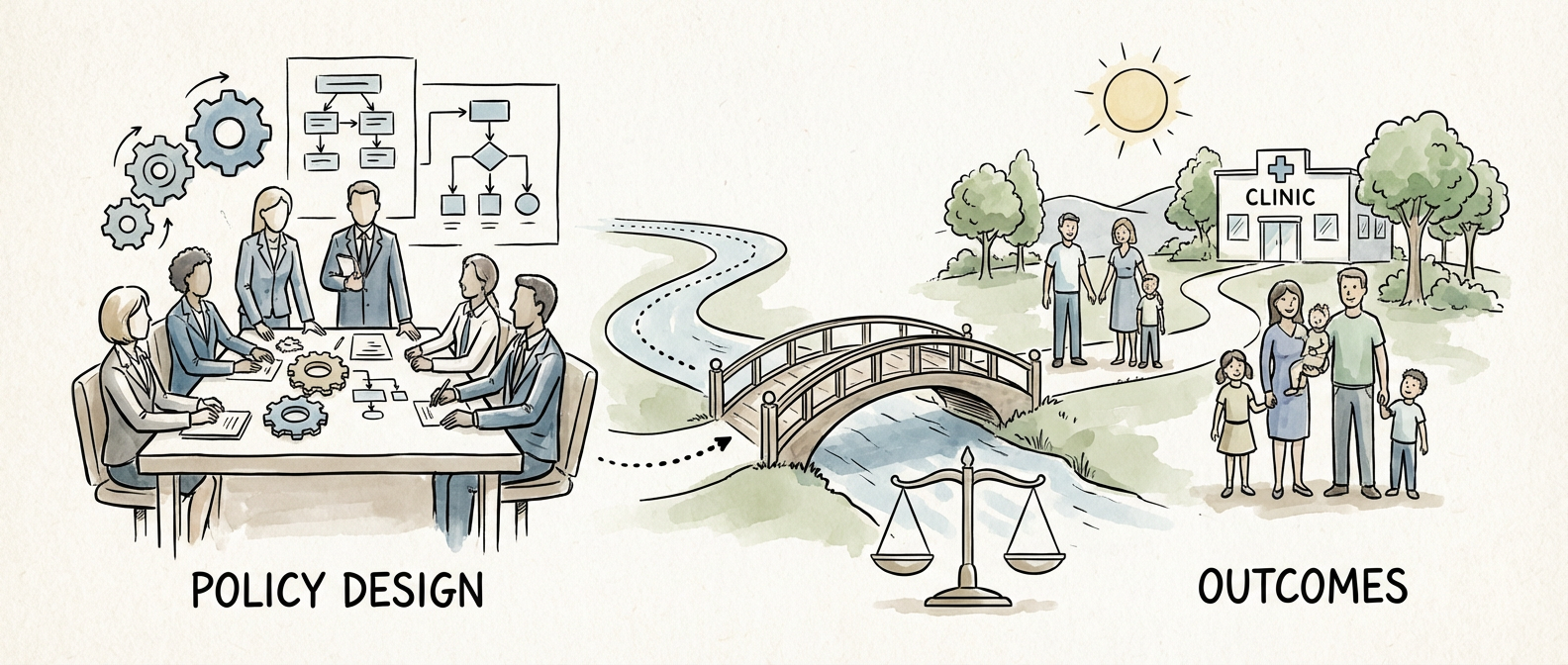
Any serious reform plan also needs to think about whether we can actually implement it and whether it can survive politically over time. The most brilliant policy design in the world is useless if we don’t have the administrative capacity to run it or if voters throw out the politicians who supported it.
Really, the goal should be making people healthier and protecting them from financial ruin when they get sick. Universal coverage is one way to get there, but it shouldn’t be the only thing we consider. Maybe there are other approaches that don’t fit the traditional universal coverage model but still accomplish what we actually care about.
This suggests that real healthcare reform requires patience, careful planning, and realistic expectations about what’s possible. Healthcare systems are incredibly complex, which means our policy responses need to be equally sophisticated. We need to resist both the people promising easy solutions and the people who think any change is too risky.